warmth is fit, filling and the gap at the wrist
winter gloves for women: what actually keeps hands warm
fit, leather, linings, liners, mittens, thermal, waterproof and heated gloves, and why fingerless and cotton gloves belong somewhere else.
the short answer
the warmest winter gloves for women are insulated mittens, followed by insulated or lined gloves with a wind-resistant outer such as leather. fit matters as much as filling: snug but not tight, with the cuff tucked under your sleeve. a thin liner adds warmth, and a waterproof membrane matters when it’s wet1.
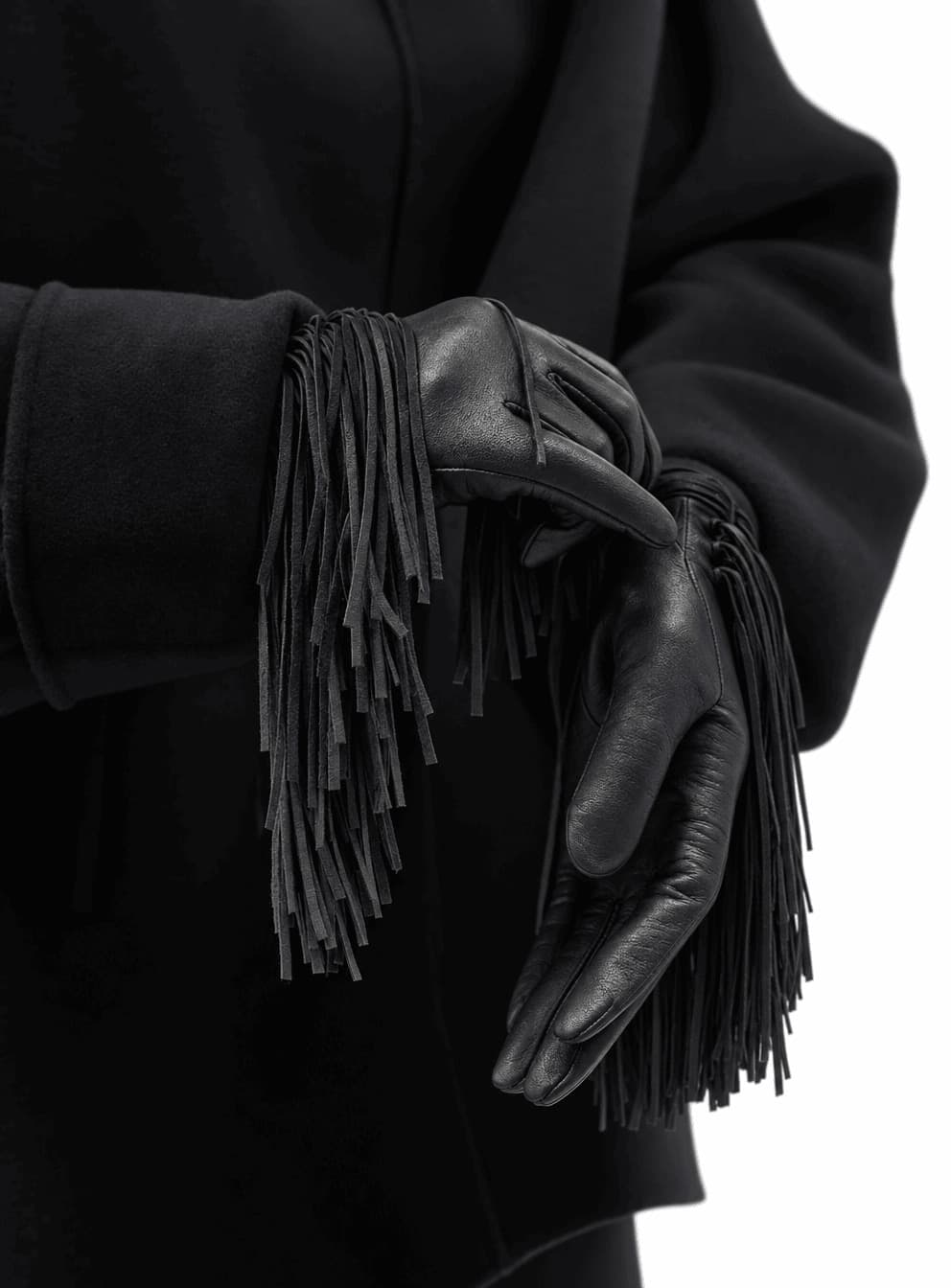
cold hands are rarely about one thing. a glove can be thick and still let the wind through, or beautifully lined and still leave a strip of bare wrist between cuff and sleeve. the warmest winter gloves for women are the ones that get four things right at once: the fit, the outer, what sits inside, and the gap at the wrist.
what makes winter gloves warm?
warmth in winter gloves comes from still air held close to the skin, and from keeping wind and water out of it. cotswold outdoor describes thermal and insulated gloves as trapping “air within a synthetic or down fill to hold heat close to your skin”1. scleroderma & raynaud’s uk makes the same point about clothing in general: several thin layers beat one thick one, “as the air trapped between the layers will help to insulate your body”2.
how should winter gloves fit?
fit is the part people get wrong in both directions. a glove that is too loose leaves pockets of air at the fingertips that never warm up, and every time you move your hand the cold air shifts about. a glove that is too tight squeezes the fingers and compresses the very air that is meant to insulate them. cotswold outdoor’s rule is “snug but not tight, with your fingers reaching the ends”, and it warns that tight gloves cut off circulation1. sruk says the same of clothing generally: tight clothing may restrict your blood flow2.
there is one more decision to make before you buy. if you plan to wear a liner underneath, the outer glove needs room for it. a close-fitting leather glove is made to sit against the hand, so it usually has no space for a thick liner. if you want both, buy the outer with the liner on. there’s more on sizing in how should leather gloves fit.
are leather gloves warm?
leather is a good outer for winter gloves because it blocks wind. cotswold outdoor says leather gloves “offer strong wind resistance and mould to your hand shape over time”, and calls them a popular choice for city commuting and general winter use1. we go through the wind side of it in what to wear when it’s cold and windy.
how warm a particular leather glove is depends on what is inside it and how closely it fits. smooth nappa is the usual fashion leather for town; suede is softer, but it can mark in rain, as we explain in suede gloves. leather on its own is not waterproof, so a leather glove for the hills is usually treated, lined and built with a membrane.
which glove linings are warmest?
a lining adds the layer of still air that leather alone doesn’t give you. the common ones, roughly from thinnest to warmest:
- silk: very thin and smooth, so the glove slides on easily and stays close-fitting. it suits autumn, mild winter days and evenings out.
- cashmere: soft and fine, a knitted lining that holds heat on colder days, and the classic lining for a dressy leather glove.
- wool: warmer again, and keeps some warmth when slightly damp. sruk notes that natural fibres such as wool, cotton or silk will keep you warmer than most synthetic ones2.
- fleece: a synthetic pile that is warm, light and quick to dry, common in casual and outdoor gloves.
- shearling: sheepskin with the wool left on, the warmest and the bulkiest. it changes the fit, so a shearling glove is roomier through the fingers.
the warmer the lining, the thicker the glove, and the less you can do with your fingers. that trade runs through every glove type below. for the two linings paumier uses, and which pairs have each, see cashmere-lined vs silk-lined leather gloves.
do glove liners work?
yes, and they are the cheapest way to make an existing pair warmer. cotswold outdoor defines glove liners as “thin, close fitting layers worn under a heavier glove or on their own during mild weather”1. ski utah, quoting hestra in december 2020 about hestra’s own layering system, says a liner “increases the insulation in the glove by 20 percent” and wicks away moisture3. sruk suggests “a pair of thin cotton or silk gloves under thicker mittens or gloves can give added warmth”2.
to wear them well, choose a liner that fits closely without bunching at the fingertips, put it on before you go out rather than at the bus stop, and make sure the outer glove still fits over it without pinching. a pinched outer glove undoes the good the liner does.
are thermal gloves the warmest?
thermal gloves, meaning gloves with a synthetic or down fill, are among the warmest gloves you can buy1. the fill holds a lot of still air, which is why they keep hands warm when you’re standing still in real cold. the cost is bulk. most thermal gloves are made for the outdoors, so they look sporty and make it harder to hold a phone, a coin or a coffee cup.
are mittens warmer than gloves?
they are. cotswold outdoor’s answer is plain: “yes! by keeping your fingers together, mittens trap more heat”1. four fingers share one pocket of warm air instead of each heating its own. the price is dexterity, which is why split-finger mittens and mittens worn over a thin liner exist. sruk suggests carrying gloves or mittens with you at all times if you feel the cold2.
do you need waterproof gloves?
for rain, snow and anything wet, yes. wet gloves are cold gloves; sruk notes that “getting wet makes the cold worse”2. waterproof gloves use a membrane that keeps rain and snow out while letting sweat vapour escape, but cotswold outdoor points out that “not every waterproof glove includes serious insulation”1, so check for both if you need both. a fashion leather glove is not a waterproof glove, so on a soaking day carry an umbrella or choose a technical pair.
are heated gloves worth it?
heated gloves have thin heating elements in the glove, powered by a small rechargeable battery, usually tucked into the cuff. they are the warmest option for people whose hands stay cold whatever they wear, and for long stretches standing still outdoors. the drawbacks are bulk at the wrist, the battery to charge, and a price well above an ordinary pair. follow the maker’s instructions for charging and washing. sruk lists rechargeable heat packs among the heating aids that help2, and a pocket hand warmer is the simpler cousin.
are fingerless gloves warm?
fingerless gloves keep the palm and the back of the hand warm and leave the fingertips out, which is exactly where most people feel the cold first. that makes them colder than any full glove. they make sense indoors, for typing in a cold room, or for jobs that need bare fingertips. the useful outdoor version is the flip-top: fingerless gloves with a mitten cap that folds over when you’re done.
what are cotton gloves for?
cotton gloves are not winter gloves. they are thin, they let wind through, and cotton holds on to moisture. where they earn their place is as a liner under a warmer pair, as sruk suggests2, or indoors and in bed. sruk lists gloves among the night clothes that help keep you warm2, and many people wear thin cotton gloves overnight over hand cream so it stays on the hands rather than the pillow.
which winter gloves are warmest? a comparison
| glove type | warmth | dexterity | wind | wet | look |
|---|---|---|---|---|---|
| close-fitting leather | moderate | high | good | not waterproof; blot and dry flat | smart |
| leather with a warm lining | good | good | good | not waterproof; blot and dry flat | smart |
| knitted wool | moderate in still air | good | poor | poor | casual |
| glove liner alone | low | very high | poor | poor | plain |
| thermal (insulated) | high | moderate | good | depends on shell | sporty |
| waterproof | varies with insulation | moderate | good | very good | sporty |
| mittens | highest | low | depends on outer | depends on outer | casual to smart |
| heated | highest, while charged | moderate | good | depends on shell | sporty |
| fingerless | low | very high | poor | poor | casual |
| cotton | very low | very high | poor | poor | plain |
leather gloves for town vs technical gloves for the hills
most women want two kinds of winter gloves, and it helps to stop asking one pair to be both. for the hills, the slopes and long hours outdoors, the warmest choice is technical: a liner, an insulated glove or mitten, and a waterproof shell, layered for the day3. for town, the walk to the station, the school gate, lunch and the theatre, a close-fitting leather glove does the job that matters most in a city, which is stopping the wind, and it does it while finishing the coat.
the national health service’s advice for people with raynaud’s is to wear warm clothes in cold weather, “especially on your hands and feet”4. in town that means gloves you’ll actually wear every day. tuck the cuff under your coat sleeve, and add a thin liner underneath if your outer glove has room for one.
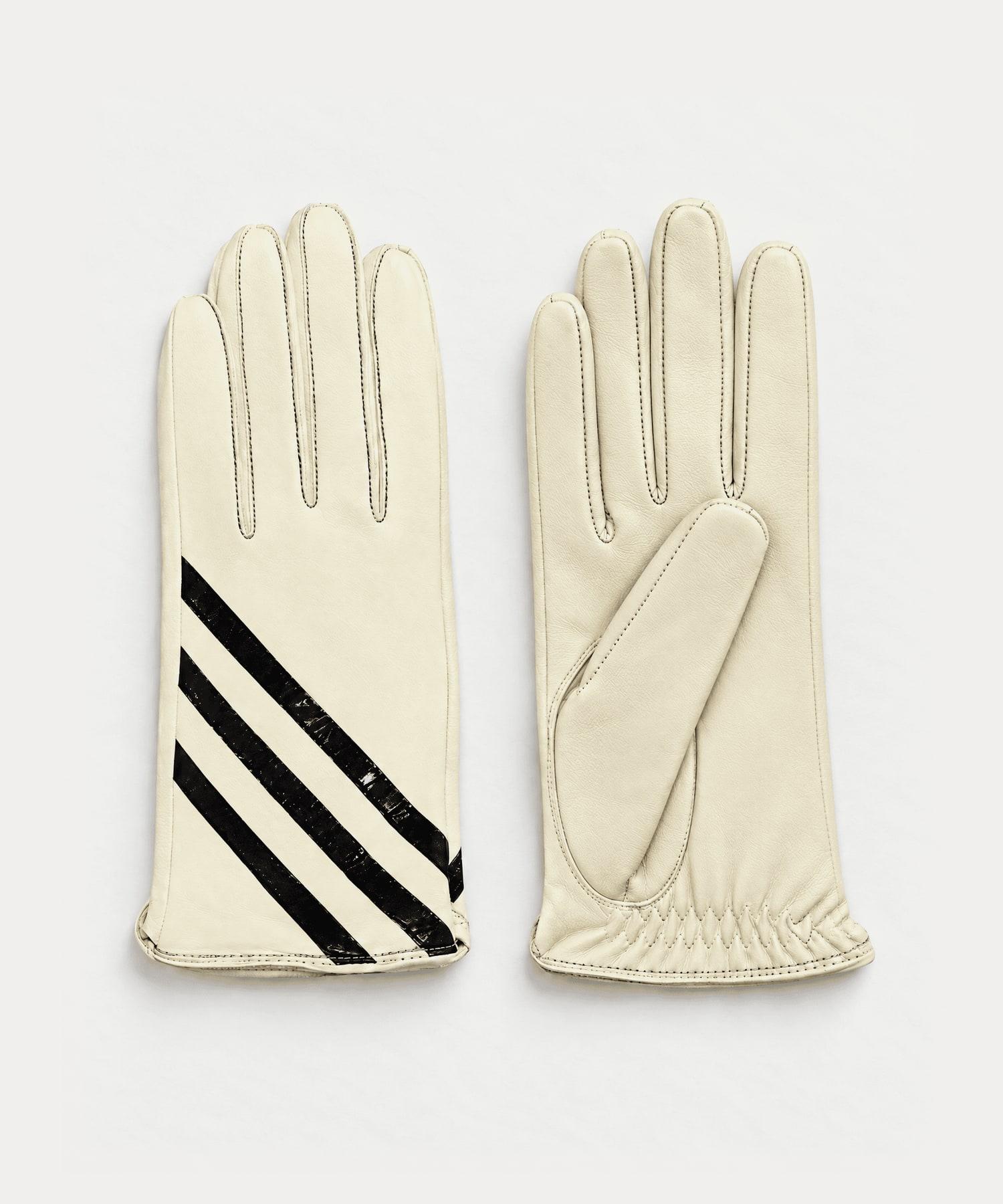
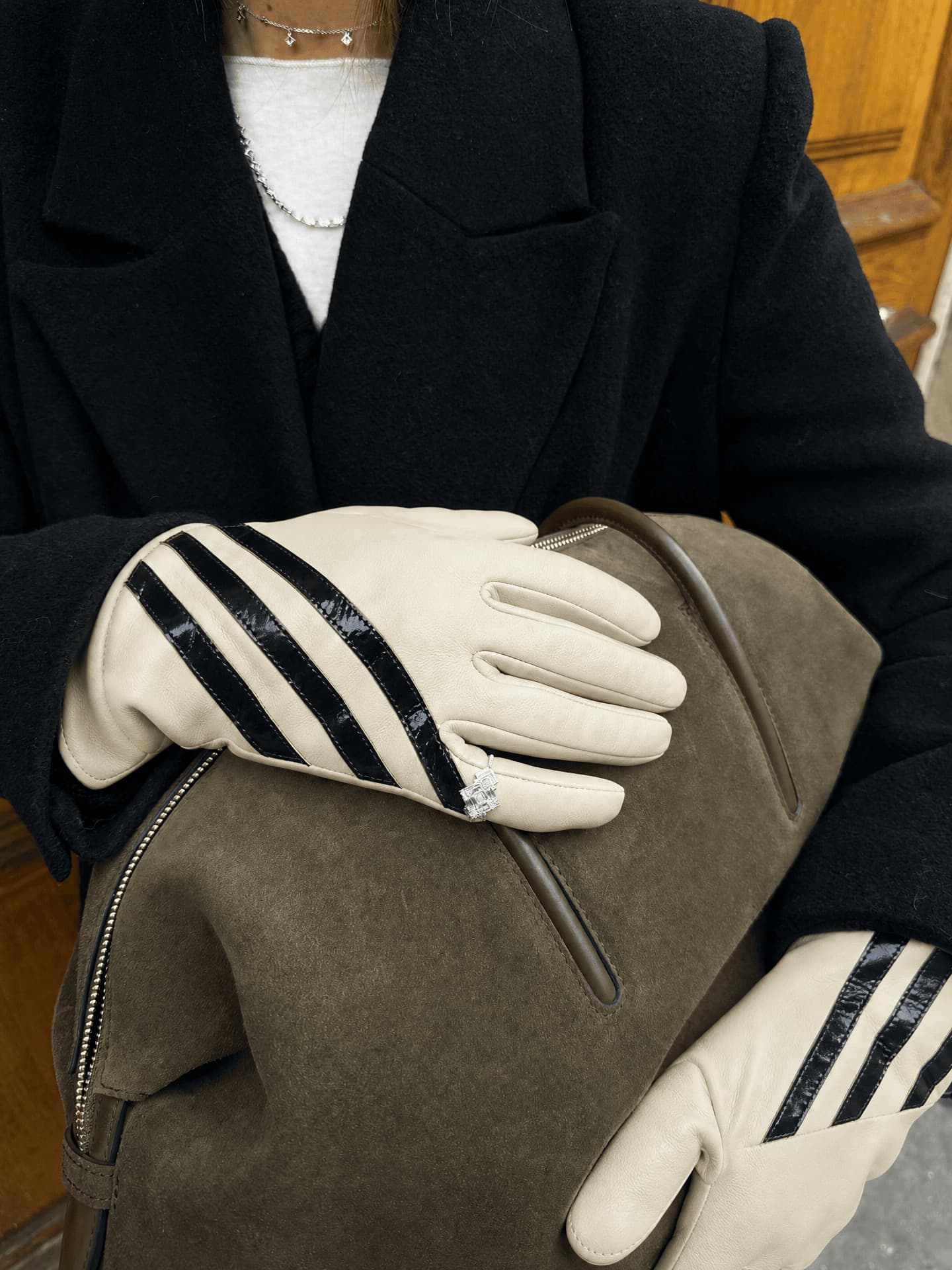
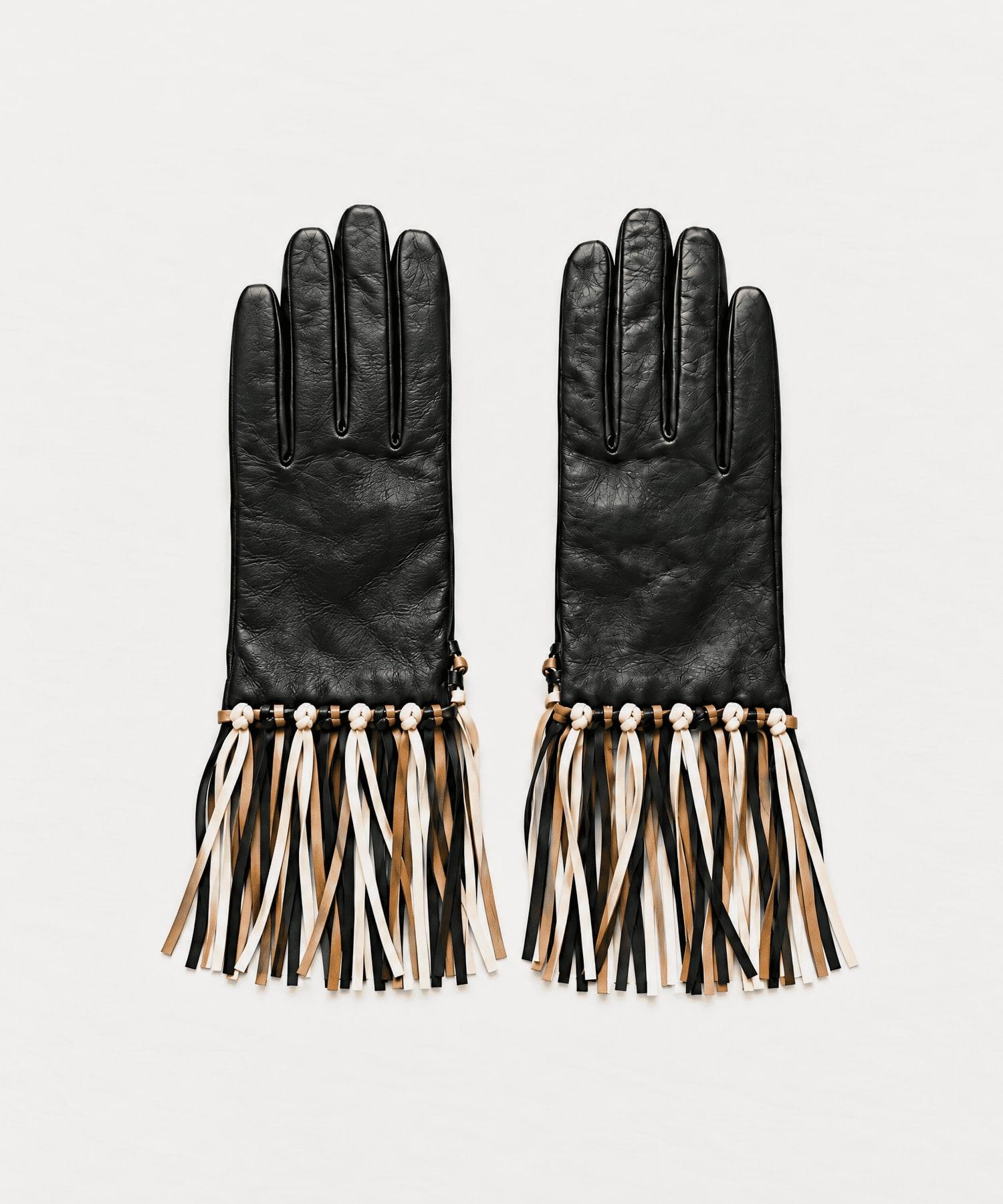
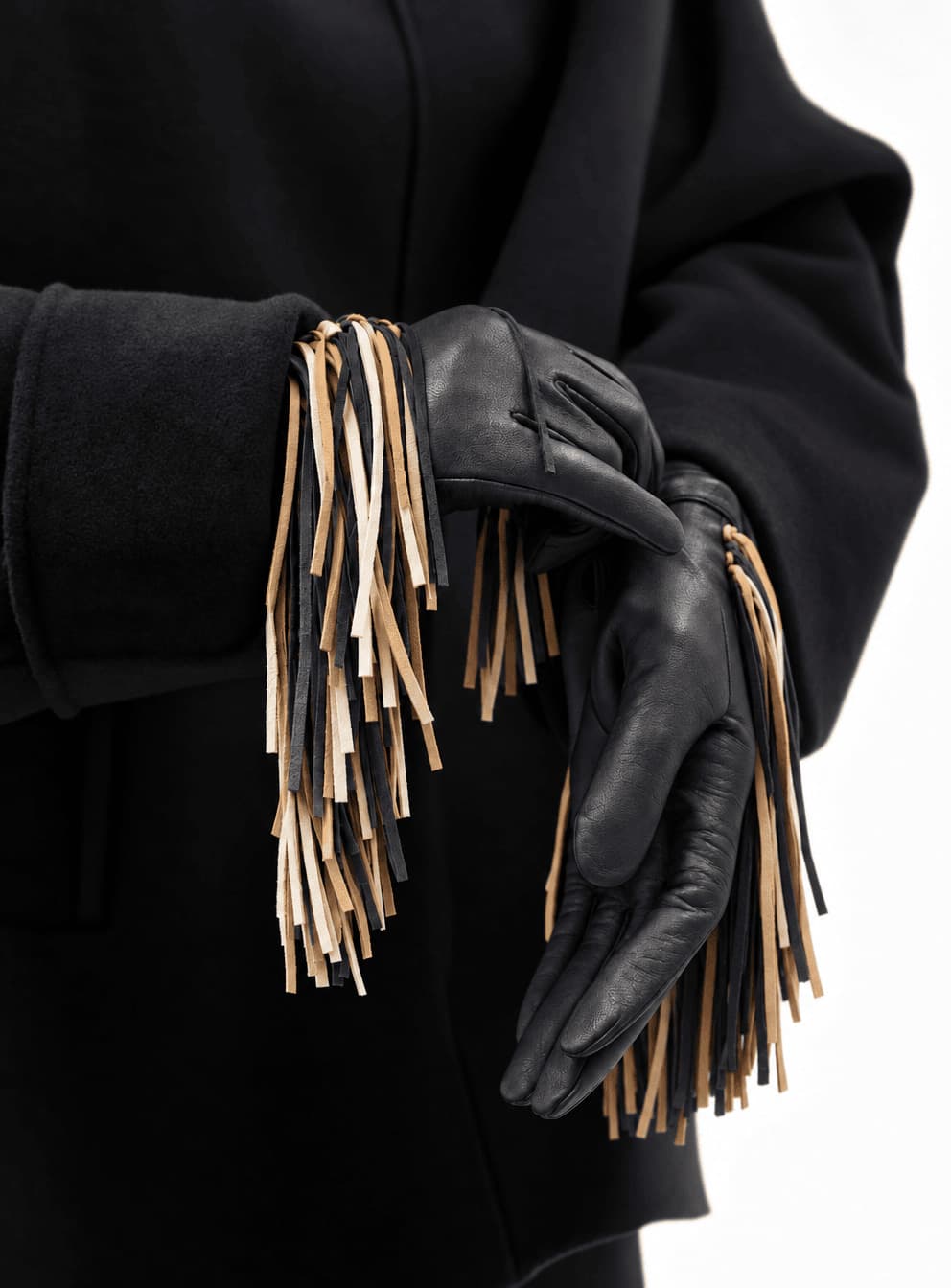
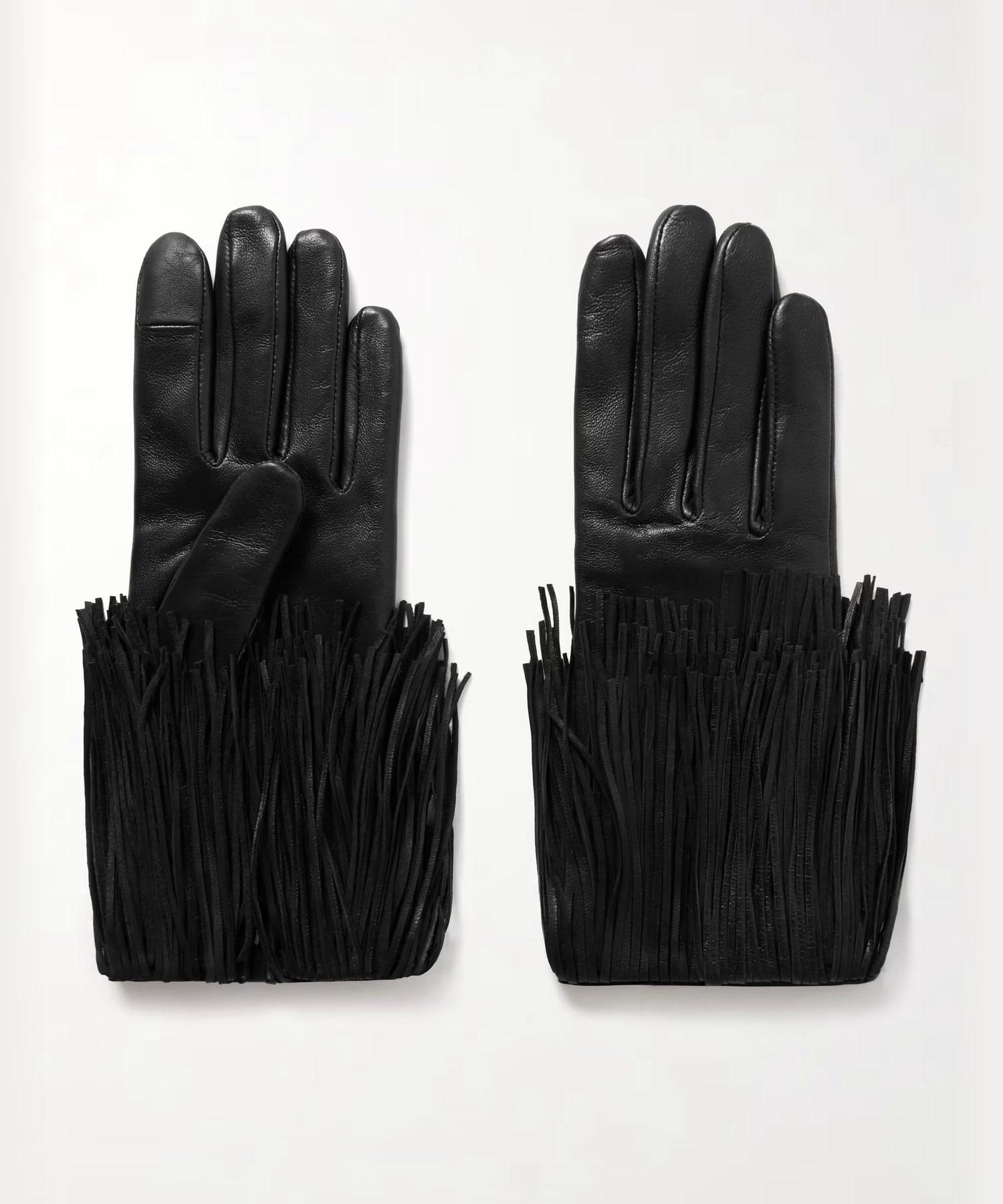
paumier makes close-fitting gloves, in sheepskin nappa, suede and calf hair. they are fashion gloves for town rather than technical gloves for the hills. the cream and black striped nappa gloves and black, tan and cream knotted fringe gloves are lined in cashmere, a soft lining that holds heat on colder days; the black fringe gloves and the brown python-print suede gloves are lined in silk, which suits autumn, mild winter days and evenings out, and keeps the glove slim.
quick answers
- what are the warmest winter gloves for women?
- insulated mittens are the warmest, because fingers share one pocket of warm air. after that come insulated or lined gloves with a wind-resistant outer such as leather, fitted snug but not tight. heated gloves are warmest of all while the battery lasts.
- are leather gloves warm?
- leather blocks wind well, as cotswold outdoor notes. how warm a leather glove is overall depends on the lining and the fit. leather is not waterproof on its own.
- do glove liners make gloves warmer?
- yes. a thin liner adds a layer of still air and wicks moisture. hestra, quoted by ski utah in december 2020 about hestra’s own layering system, says a liner “increases the insulation in the glove by 20 percent.” the outer glove needs room for it.
- are fingerless gloves warm enough for winter?
- not on their own outdoors. they leave the fingertips bare, which is where most people feel the cold first. flip-top styles with a mitten cap are a better choice outside.
- can you wear cotton gloves in winter?
- only as a liner under a warmer pair, or indoors. cotton is thin and holds on to moisture, so on its own it won’t keep hands warm outside.
the gloves in this piece
free uk and eu delivery, tracked, and returns accepted within 14 days of delivery. delivery & returns
keep reading
sources
- Cotswold Outdoor, Glove Buying Guide
- Scleroderma & Raynaud’s UK, Handy Hints on Keeping Warm, 1 february 2022
- Ski Utah, How to Keep Your Hands Warm: A Primer on Glove Layering, 22 december 2020
- NHS, Raynaud's